
In an age where digital ads seem to dominate every screen we own, it’s easy to forget that physical advertising formats still hold enormous power—especially at the local level. Among these, outdoor mobile signs are emerging as one of the most dynamic and effective tools for businesses targeting community-based audiences. Whether it’s a food truck displaying menu specials, a moving billboard driving around high-traffic areas, or a branded vehicle at a local festival, outdoor mobile signs are transforming how small and medium-sized businesses connect with customers in real time.

This blog explores why outdoor mobile signs are poised to become a cornerstone of local advertising, how technology is propelling this medium forward, and what businesses need to know to harness its full potential.
Why Local Advertising Still Matters
Before diving into mobile signage specifically, it helps to understand the context: local advertising remains incredibly relevant, even in an increasingly digital world.
- People still make purchasing decisions based on what they see in their neighborhoods.
- Local presence can build trust and familiarity that digital ads often struggle to achieve.
- Many consumers prefer interacting with brands that feel “close to home.”
Traditional local advertising—like newspaper ads, radio spots, and static billboards—has seen declining engagement as audiences shift to mobile and online media. That’s where outdoor mobile signs step in: they blend real-world visibility with mobility and creativity, capturing attention in ways stationary ads can’t.
Outdoor Mobile Signs: What Are They?
Outdoor mobile signs are advertising displays mounted on vehicles or mobile platforms. They range from simple magnetic signs on cars to full-blown digital billboards on trucks or trailers. Here are some common formats:
- Vehicle Wraps and Decals: Full or partial advertising graphics applied to company vehicles.
- Trailer Billboards: Large static signs mounted on trailers that can be positioned in high-foot-traffic areas.
- Mobile LED Displays: Digital screens on trucks or vans that show rotating ads.
- Pedestrian Mobile Signs: Human-carried signs or sandwich boards moved through busy spots.
These diverse formats make the medium adaptable for many industries—from retail stores and restaurants to contractors and service businesses.

The Advantages of Outdoor Mobile Signs
1. Mobility = Better Visibility
Unlike static billboards or posters, mobile signs move with the audience.
- A delivery vehicle or branded van spreads impressions as it drives through town.
- A mobile billboard parked near events or intersections reaches diverse groups throughout the day.
- Businesses can target multiple neighborhoods in a single day without extra investment.
This flexibility is particularly valuable for local businesses that depend on foot traffic and drive-by attention.
2. Lower Cost, Higher Impact
Mobile signage can be more cost-effective than many digital and traditional media options.
- Vehicle wraps and decals are a one-time expense that continues to deliver impressions for years.
- A mobile billboard campaign can be cheaper and more flexible than renting multiple static billboards.
- Local businesses can tailor routes and appearances based on budget and campaign goals.
For small businesses with tight marketing budgets, mobile signage delivers a strong return on investment.

3. Builds Real-World Brand Presence
There’s an emotional component to seeing a branded vehicle or sign in the real world. It feels:
- Authentic
- Tangible
- Located in the community
This can significantly enhance brand recall and trust. Studies show that physical ads often drive stronger memorability simply because they’re part of everyday life—not just another pop-up online.
How Technology Is Enhancing Outdoor Mobile Advertising
The future of outdoor mobile signs isn’t static. Technology is transforming this space in several exciting ways:
Smart Route Optimization
Advanced software platforms now help businesses plan high-impact routes based on traffic patterns and audience movement. This means mobile signs can:
- Maximize visibility during rush hours
- Target specific demographics
- Avoid low-value areas
Data-driven route planning brings mobile signage into the world of precision marketing once reserved for digital ads.
Digital LED Displays with Dynamic Content
LED screens on mobile units allow businesses to broadcast changing messages, including:
- Promotions
- Time-sensitive offers
- Event announcements
- Social media handles or QR codes
Content can even be updated in real time, enabling reactive marketing based on weather, sales trends, or local events.

Integration with Mobile & Online Campaigns
Mobile signs can now work in sync with digital channels:
- QR codes that lead to landing pages
- SMS codes displayed on screens
- Hashtags for social sharing
- Real-time location tags
This cross-channel integration helps track engagement and connects offline impressions with online behavior.
Geo-Targeted Messaging
Future outdoor mobile signage may even support geo-targeted content delivery—where messages change based on location. For example, a sign could display one promotion near a shopping center and a different one near a sports venue.
This capability is still emerging but could revolutionize how local advertisers optimize context and relevance.
Use Cases: Who Benefits Most from Outdoor Mobile Signs?
Outdoor mobile signs work for a wide range of businesses—but here are a few where they shine particularly bright:
Restaurants & Food Trucks
- Advertise daily specials or seasonal menus
- Move into high-foot-traffic locations during lunch and dinner hours
Retail Stores
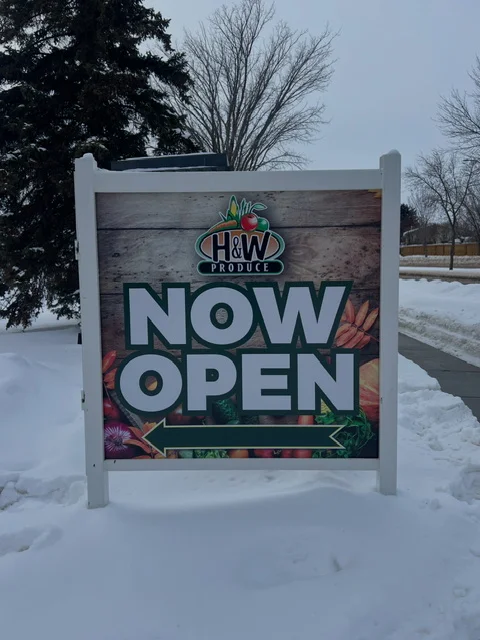
- Promote grand openings, sales, and seasonal events
- Reach shoppers near shopping districts or parking lots
Service Providers
- Plumbers, HVAC techs, landscapers, and more can turn service vehicles into mobile ads.
- It’s marketing that runs during the course of doing business.
Events & Promotions
- Mobile signs are excellent for concerts, sports games, fairs, and community events.
- They can act as directional signage and event ads simultaneously.
Real Estate Agents
- Turn open houses into moving advertisements.
- Promote listings as agents traverse different neighborhoods.
Design Tips for Effective Outdoor Mobile Signs
To make mobile signage truly impactful, businesses should consider a few design principles:
Keep It Simple
With limited viewing time—especially on the move—messages need to be clear and concise.
- Use bold, high-contrast graphics.
- Limit text to essentials: brand name, offer, contact info.
Readable Fonts
Choose fonts that are legible from a distance. Avoid overly decorative typefaces on moving signs.
Strong Visuals
Eye-catching imagery helps ads stand out in busy environments.
Consistent Branding
Ensure colors, logos, and messaging align with other marketing channels for greater brand cohesion.
Call to Action (CTA)
Include easy actions like:
- “Scan to Save”
- “Visit Today”
- “Call Now”
CTAs help convert impressions into measurable responses.

Measuring Success: Tracking and Analytics
One traditional weakness of outdoor advertising is tracking effectiveness. But with mobile signage, there are several ways to measure impact:
- QR code scans tied to specific campaigns
- Promo codes used exclusively on mobile signage
- Website visits and traffic spikes aligned with routes
- Phone call tracking tied to displayed numbers
Combine these metrics with route data and timing, and businesses get meaningful insights into campaign performance.
Challenges and Considerations
Outdoor mobile signs are powerful, but they aren’t without challenges:
- Regulations: Some cities have rules governing mobile ads—especially digital displays. Always check local ordinances.
- Weather Conditions: Branding wraps and LED displays must withstand outdoor elements.
- Maintenance: Vehicles and screens require upkeep.
With planning and professional execution, however, these challenges are manageable.
Final Thoughts: A Moving Medium for Tomorrow’s Local Business
While digital advertising will continue evolving, outdoor mobile signs are far from obsolete. Quite the opposite: they’re evolving too. By combining the mobility of vehicles with smart technology, dynamic content, and data insights, this medium is uniquely positioned to help local businesses stand out in crowded markets.
For companies that want to build brand visibility where it matters most—on the streets where customers live, work, and play—outdoor mobile advertising offers a future that’s visible, measurable, and deeply local.
Are you ready to take your local advertising on the move?